










Sharper Than Glass: Why the Moon’s Deadly Dust is a Hardware Nightmare
Lunar Regolith: The Tiny Razor Blades Forcing a NASA Redesign
In a detailed report from Space Daily published on May 10, 2026, NASA engineers have laid out a sobering reality: the dust on the Moon is one of the most dangerous substances in the solar system. Unlike Earth’s sand, which is rounded by erosion, lunar regolith is composed of millions of tiny, jagged shards that are literally sharper than broken glass. As NASA prepares for long-term habitation under the Artemis program, this single geological fact is forcing a total overhaul of space hardware.
Why is it So Sharp?
The Moon has no atmosphere, no wind, and no liquid water. On Earth, these forces act like a giant rock tumbler, smoothing the edges of sand and dirt over millions of years.
-
The Meteorite Hammer: For 4 billion years, the Moon has been bombarded by micrometeorites. These high-speed impacts shatter volcanic rock and glass into microscopic fragments.
-
Zero Erosion: Because there is no wind to rub the grains together, every freshly fractured edge remains as sharp as the day it was created.
-
Volcanic Glass: Much of the regolith is made of “impact glass”—shattered silicate that behaves exactly like microscopic shards of a broken windshield.
The Hardware Crisis: “Sawing Through Kevlar”
At zyproo.online, we focus on the technical hurdles of the 2026 space race. Lunar dust doesn’t just “get things dirty”—it destroys them:
-
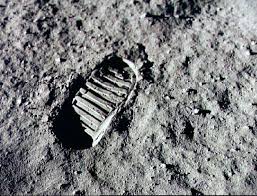
Seal Degradation: The jagged edges act as a high-powered abrasive. In previous Apollo missions, dust began to “saw” through the outer layers of spacesuits and compromised the airtight seals on habitat hatches.
-
The “Sticky” Problem: Due to constant solar radiation, lunar dust is electrostatically charged. It doesn’t just sit on a surface; it clings like a magnet to solar panels, camera lenses, and helmet visors, making it nearly impossible to brush off without scratching the surface.
-
Human Health: Apollo 17 astronaut Harrison Schmitt famously suffered from “Lunar Hay Fever” after breathing in dust tracked into the lander. In 2026, NASA scientists warn that these microscopic “glass knives” can cause permanent lung scarring (silicosis) if not perfectly contained.
The 2026 Solution: NASA’s “Dust Defense”
To combat this, NASA’s Lunar Surface Innovation Initiative (LSII) is deploying a suite of futuristic technologies:
-
Electrodynamic Dust Shields (EDS): Transparent electrodes embedded in helmet visors and solar panels that use electric waves to “flick” the charged dust off without any physical contact.
-
Liquid Nitrogen Showers: A new cleaning method—famously tested on a Barbie doll in early 2026—that uses cryogenic spray to lift 98% of dust off a suit in seconds.
-
Suitport Tech: Future habitats may use “suitports,” where the suit remains attached to the outside of the base. The astronaut climbs through a hatch directly into the suit, ensuring no dust ever enters the living quarters.
The Silver Lining: Turning Dust into Gold
While it’s a nightmare for hardware, the 2026 strategy also involves using the dust as a resource (In-Situ Resource Utilization). Because regolith is rich in oxygen and metals, NASA is testing 3D printers that “sinter” (melt) the dust into solid bricks for landing pads and radiation shields, effectively using the Moon’s greatest hazard to build its first colony.