











How Microplastics Are Infiltrating the Amazon’s Most Remote Food Webs
The Plastic Pulse: Microplastics Reach Amazonian Tadpoles
In a sobering discovery published on May 5, 2026, ecologists have confirmed the presence of microplastics in frog tadpoles within the Amazon rainforest for the first time. The study, led by Fabrielle Barbosa de Araújo from the Federal University of Pará, shifts the alarm from the Amazon’s major rivers to its temporary rainwater ponds—the very nurseries where the region’s biodiversity begins.
The Study: Assessing the “Pristine” Ponds
Researchers focused their efforts on Gunma Ecological Park in Pará state, an area characterized by low human density and considered relatively well-preserved.
-
The Subject: The team collected 100 tadpoles of the Venezuela snouted treefrog (Scinax x-signatus).
-
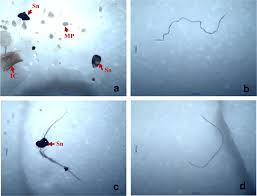
The Findings: Microplastics were found in every single pond and every single tadpole sampled.
-
The Pollutants: The majority of the particles were transparent, blue, and black fibers—specifically polyester.
Why This Matters for Amphibians
Amphibians are often called “canaries in the coal mine” because their permeable skin and complex life cycles make them highly sensitive to environmental changes.
-
Genetic & Morphological Damage: Researchers are concerned that ingestion can lead to DNA alterations and changes in blood cells.
-
Trophic Transfer: Tadpoles are a major food source for birds, snakes, and larger fish. As they ingest microplastics from algae and fungi, these pollutants move up the food chain, potentially biomagnifying in larger predators.
-
Physiological Stress: Even if the plastic doesn’t kill the tadpole, it can accumulate in tissues, causing inflammation and reducing the animal’s overall fitness for survival post-metamorphosis.
The Source: Where is it Coming From?
At zyproo.online, we break down the surprising origins of these pollutants. Even in remote areas, microplastics are “hitchhiking” through the environment:
-
Atmospheric Deposition: Synthetic fibers from clothing can travel through the air and settle in rainwater, eventually filling the temporary ponds where frogs breed.
-
Sanitary Sewage: Despite the low population, local sewage and fishing activities remain a significant contributor to the “fiber rain” affecting the forest.
The 2026 Conservation Outlook
This study provides the first evidence that the plastic crisis has officially reached the larval stage of Amazonian herpetofauna. With amphibians already being the most threatened vertebrate group globally, this adds a new layer of urgency to plastic management policies.
As Araújo noted, finding plastic in a “preserved” environment is a loud alarm bell: there are no longer any truly “untouched” places in the Amazon.