









How Australia’s Newest National Park is Solving the Habitat Fragmentation Puzzle
Bridging the Gap: Australia’s New National Park Aims to Secure Koala Future
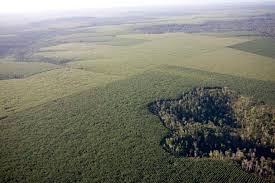
In a major win for conservation, the Australian government has officially gazetted a massive new National Park designed specifically to combat habitat fragmentation. As reported by Mongabay in May 2026, this new protected area isn’t just a stand-alone park; it serves as a critical “biolink” that connects several previously isolated pockets of eucalyptus forest, creating a continuous corridor for the endangered koala.
The Strategy: Connectivity Over Size
While Australia has many national parks, many are “habitat islands” surrounded by suburbs or farmland. For koalas, being trapped in an island leads to inbreeding and higher vulnerability to bushfires.
-
The “Biolink” Concept: This new park strategically targets “chokepoints”—narrow strips of land that were previously privately owned or used for logging. By protecting these strips, the park links two major existing reserves.
-
Safe Passage: With a continuous canopy, koalas can now migrate to find mates and food without having to descend to the ground, where they are frequently killed by cars or domestic dogs.
Combating the “Climate Squeeze”
At zyproo.online, we’ve been tracking how climate change is shifting Australian ecosystems. This park is a direct response to the “Climate Squeeze”:
-
Heat Refugia: The new park includes higher-altitude areas and gullies that remain cooler during heatwaves, providing a “safe haven” for koalas when coastal temperatures become lethal.
-
Genetic Diversity: By allowing colonies from the north and south to finally meet, the park encourages “genetic mixing,” which helps the population develop natural resilience to diseases like Chlamydia.
Community and Tech Integration
The 2026 launch of the park is also a showcase for modern conservation tech:
-
Drone Seeding: Large-scale reforestation of the “link” areas is being accelerated using drones that fire seed pods into the soil, planting thousands of trees in a fraction of the time.
-
AI Monitoring: Acoustic sensors and thermal cameras have been installed throughout the corridor to track koala movements in real-time, allowing rangers to see exactly how the animals are utilizing the new bridge.
The Economic Ripple Effect
The project is also expected to boost eco-tourism in the region. By creating a world-class wildlife corridor, the government hopes to draw international visitors to see koalas in their natural, connected habitat, providing local jobs that replace the revenue lost from ending logging in the area.
As the “Koala Highway” officially opens, Australia is setting a global example: saving a species isn’t just about drawing a circle on a map; it’s about building the bridges they need to survive.