











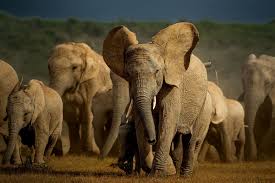
The Secret Genetic History Written in African Elephant Genomes
Ancient Secrets, Modern Survival: What the African Elephant Genome Reveals
In a landmark study published in May 2026, geneticists have successfully mapped the most comprehensive genomic library of African elephants to date. The findings, reported by Mongabay, provide a startling look into the deep past of both Savanna and Forest elephants, revealing a history of “ancient mixing” that could be the key to their modern conservation.
The Discovery: A Million-Year-Old Mix
By analyzing DNA from hundreds of elephants across the continent, researchers discovered that the split between Savanna elephants (Loxodonta africana) and Forest elephants (Loxodonta cyclotis) is much older than previously thought—dating back nearly 5 million years.
However, the genome also tells a story of “ghost lineages.” Even after the species diverged, they continued to meet and interbreed in “hybrid zones” for hundreds of thousands of years. This genetic exchange allowed for:
-
Climate Adaptation: Savanna elephants likely picked up genes from forest-dwelling ancestors that helped them tolerate varying levels of shade and vegetation.
-
Immune Strength: The “mixing” created a robust immune system that helped the species survive ancient plagues and environmental shifts.
Modern Pressures: The Genetic Bottleneck
At zyproo.online, we analyze the intersection of tech and nature. The most concerning part of the study is the “modern signature” found in the DNA.
-
The Inbreeding Alarm: Due to habitat fragmentation—where elephant herds are separated by farms, roads, and cities—genetic diversity is plummeting.
-
The Ivory Effect: In regions with high historical poaching, researchers are seeing a “genetic bottleneck” where the remaining population is less diverse, making them more vulnerable to new diseases and heatwaves.
Why This Matters for 2026 Conservation
This isn’t just “dry science.” This genomic map is a toolkit for rangers and conservationists:
-
Corridor Priority: By identifying which herds have the most unique “ancient genes,” conservationists can prioritize which land corridors need to be protected to allow those genes to spread.
-
Anti-Poaching Tech: This DNA database allows authorities to trace seized ivory back to a specific herd, not just a country, pinpointing exactly where poaching syndicates are currently active.
-
Resilience Planning: Knowing which elephants carry genes for “heat tolerance” helps scientists predict which populations will survive as the African continent faces record-breaking temperatures.
The African elephant’s genome is a million-year-old survival manual. The question for 2026 is whether we will protect the land enough for them to keep reading it.