








Beyond the Ceasefire: The Secret Energy Crisis Drying Up the World’s Oil Tanks
Strait Trouble: Global Oil Stocks Plummet as Hormuz Remains a Ghost Waterway
As of May 10, 2026, the global energy market is facing what the International Energy Agency (IEA) has labeled the “largest supply disruption in history.” Despite a fragile ceasefire announced in April, the Strait of Hormuz—the world’s most vital oil artery—remains effectively closed to commercial traffic. The result is a staggering drawdown of global oil inventories that is pushing major economies toward a critical “dry tank” scenario.
The Numbers: A Billion-Barrel Shortfall
Since the conflict erupted in early March, the statistics are grim. Roughly 20% of the world’s daily oil supply and significant volumes of Liquefied Natural Gas (LNG) normally pass through this chokepoint. With transits at a near-total standstill:
-
Inventory Drain: Global oil stocks have dropped by nearly 270 million barrels in just two months.
-
Daily Deficit: The world is currently facing a production shortfall of approximately 14.5 million barrels per day.
-
Price Surge: Brent crude has climbed back above $100 per barrel, with spot prices for LNG in Asia skyrocketing by over 140%.
The “Invisible” Crisis: Why the Ceasefire Failed to Lower Prices
At zyproo.online, we’ve analyzed why the April 8th ceasefire hasn’t translated to cheaper fuel. Even though the fighting has slowed, shipping insurance premiums have reached “prohibitive” levels, and the waterway is littered with security risks.
-
Force Majeure: Major suppliers like QatarEnergy have declared Force Majeure, meaning they are legally excused from fulfilling contracts because they physically cannot move ships out of the Gulf.
-
Infrastructure Damage: Attacks on critical LNG liquefaction sites in Qatar have knocked out 17% of their production capacity—damage that experts say will take 3 to 5 years to fully repair.
-
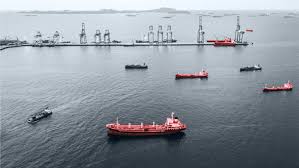
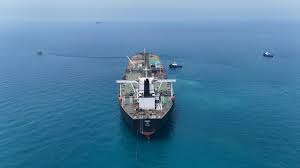
Tanker Paralysis: Satellite data shows hundreds of tankers are currently “anchored or stationary” within the Persian Gulf, effectively serving as floating storage units that cannot reach their destinations.
Who Runs Dry First?
The impact of the Hormuz chokehold is not being felt equally. The “Supply Clock” is ticking loudest in Asia, where countries like Japan and India are seeing their reserves hit 10-year seasonal lows.
-
The Vulnerable: Indonesia, Vietnam, and Pakistan are identified as high-risk, with potential localized fuel shortages expected within weeks.
-
The Adjustments: Governments are already entering “Energy Emergency Mode.” Several nations have mandated remote work for public employees and introduced four-day workweeks to slash fuel demand.
The Long-Term Outlook
Fitch Ratings has recently revised its 2026 oil price assumptions, predicting that the Strait will not see a meaningful reopening until July 2026. Until then, the world will remain reliant on the release of strategic reserves and a massive “demand destruction” effort. For the average consumer, this means the era of cheap energy is on an indefinite hiatus as the world learns to function without the Persian Gulf’s output.