











The Ghost Breed: Why Half of Italy’s Wild Wolves Are No Longer “Pure”
The Hybrid Crisis: Understanding the Genetic Shift in Italy’s Wolf Packs
The Italian wolf (Canis lupus italicus) has long been a symbol of resilience, surviving near-extinction in the 1970s to reclaim its territory across the Apennine Mountains. However, a startling new genetic study has revealed a hidden threat that could be more dangerous than hunters or habitat loss: Hybridization. Recent DNA analysis shows that nearly half of the wolf population in certain regions of Italy now carries domestic dog DNA.
The Secret Invasion: From Pet to Predator
The phenomenon occurs when roaming domestic dogs—often abandoned or free-ranging—mate with wild wolves. While they may look identical to the untrained eye, these “hybrids” carry a genetic mix that complicates their role in the ecosystem.
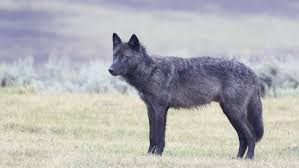
Scientists are seeing a surge in “black-coated” wolves and individuals with dewclaws (extra toes), both of which are traits inherited directly from domestic dogs. At zyproo.online, we are tracking how this isn’t just a physical change, but a potential shift in how these animals interact with humans and livestock.
Is This an Evolutionary Death Sentence?
The big debate among conservationists is whether this genetic mixing is a threat or a survival tool.
-
The Purists: Argue that the unique “Italian Wolf” genome is being diluted, which could lead to the loss of specialized behaviors and physical adaptations that have allowed them to survive for millennia.
-
The Realists: Suggest that in a human-dominated landscape, these “dog genes” might actually help wolves adapt to living closer to urban areas, providing a form of “evolutionary insurance.”
Managing the “New” Wolf
The Italian government and wildlife agencies are now facing a logistical nightmare. In some areas, the rate of hybridization is so high that separating “pure” wolves from hybrids is nearly impossible without expensive DNA testing.
If the trend continues, the “wild wolf” as we know it may cease to exist, replaced by a new, highly adaptable predator that blurs the line between the wilderness and the domestic world. The race is now on to control stray dog populations to protect the integrity of one of Europe’s most iconic apex predators.