











The 300-Million-Year Secret: Why Nature “Invented” Wings Twice (and How It Changed the World)
The ability to defy gravity is one of evolution’s most spectacular achievements. Yet, for centuries, a massive question has loomed over the scientific community: How did creatures with no wings suddenly develop the complex machinery required for flight? Recent breakthroughs in paleontological research are finally bridging the gap between the armored insects of the Paleozoic and the feathered predators of the Mesozoic.
The Insect Revolution: Flight from the Deep? Long before the first dinosaur let out a roar, insects were already dominating the skies. New research suggests that insect wings didn’t just appear out of nowhere; they likely evolved from ancient gill-like structures used by aquatic ancestors. This “exaptation”—where a feature evolved for one purpose is repurposed for another—allowed prehistoric bugs to transition from swimming to gliding, and eventually, to the high-frequency powered flight we see in dragonflies today.
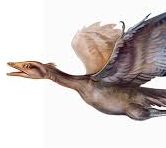
The Dinosaur Leap: More Than Just Feathers The evolution of flight in vertebrates followed a strikingly different path. While we often associate wings with birds, the “proto-wings” of theropod dinosaurs were initially used for display, temperature regulation, or even as “flaps” to help them run up steep inclines. It was a gradual refinement of arm bones and the elongation of feathers that eventually allowed small, agile dinosaurs to launch themselves into the canopy.
Convergent Evolution: Different Blueprints, Same Goal What makes this study fascinating for the zyproo.online community is the concept of “convergent evolution.” Nature arrived at the same solution—flight—using two entirely different engineering methods.
-
Insects: Utilized modified body wall segments or gills.
-
Dinosaurs/Birds: Repurposed existing forelimbs and specialized skin structures (feathers).
By comparing these two distinct timelines, researchers are uncovering the “universal laws of aerodynamics” that dictate how any organism, regardless of its origin, must adapt to conquer the air.