











Avian Wonders of the Tropics: Exploring the Birds of Costa Rica’s Southern Pacific Coast
Costa Rica’s Southern Pacific coast is one of the most biodiverse regions on the planet, where the lush rainforest meets the sea. As highlighted in a recent feature by Natural Habitat Adventures, this corridor—stretching from the Osa Peninsula to the Manuel Antonio area—serves as a vibrant sanctuary for both endemic species and colorful migratory travelers.
1. The Icons: Scarlet Macaws and Toucans
The Southern Pacific is famous for its “charismatic mega-avifauna.”
-
The Scarlet Macaw: Unlike other parts of the country where they are rare, the South Pacific coast boasts a thriving population. Their raucous calls and brilliant red, yellow, and blue plumage are common sights over the coastal canopy.
-
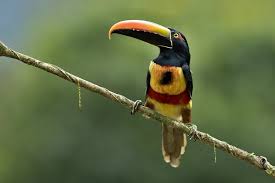
Fiery-billed Araçari: This smaller relative of the Toucan is near-endemic to the Pacific slope of Costa Rica and Panama. With its serrated, multi-colored beak, it is a frequent visitor to fruiting trees near jungle lodges.
2. The Osa Specialties: Regional Endemics
Because the Southern Pacific coast is somewhat isolated by mountain ranges, it has developed unique species found nowhere else.
-
Yellow-billed Cotinga: This snowy-white bird is a “holy grail” for birders. It relies heavily on the mangroves and adjacent rainforests of the Osa Peninsula and is currently listed as endangered.
-
Black-cheeked Ant-Tanager: Found exclusively in the wet forests of the Osa, this bird often travels in noisy family groups, following army ant swarms to snatch up fleeing insects.
3. The Coastal Connection: Mangroves and Shorebirds
The intersection of the Sierpe River and the ocean creates massive mangrove systems that host specialized avian life.
-
Mangrove Hummingbird: Another Costa Rican endemic, this tiny bird feeds almost exclusively on the nectar of the tea mangrove.
-
Piscivorous Predators: Keep an eye out for the Common Black Hawk and the majestic King Vulture, which often soar over the coastline looking for opportunities in the estuaries.
4. Why This Region is a Birding Mecca
-
The Vertical Migration: Many birds in this area move between the high-altitude cloud forests of the Talamanca mountains and the coastal lowlands depending on the season, meaning the “roster” of birds changes constantly.
-
Eco-Lodges and Conservation: The rise of sustainable tourism in the Southern Pacific has turned private properties into protected biological corridors, allowing visitors to see “re-wilded” species from the comfort of their balconies.