











One Year On: How the Trump-Vance Administration Has Reshaped Food, Agriculture, and the Climate
Following a transformative first year in office (January 2025 – May 2026), the Trump-Vance administration has fundamentally shifted the landscape of American agriculture, health, and environmental policy. As reported by Food Tank on May 4, 2026, the administration’s “One Big Beautiful Bill” Act has acted as the primary vehicle for these changes, emphasizing deregulation, fossil fuel expansion, and significant cuts to social safety nets.
1. Agriculture: The Shift to “Drill, Baby, Drill” and Deregulation
The administration has prioritized industrial output and energy independence over regenerative practices.
-
Pesticide & Safety Rollbacks: The EPA has moved to rescind several Biden-era restrictions on specific pesticides, arguing that “regulatory burdens” were hampering farmer productivity.
-
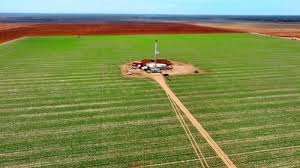
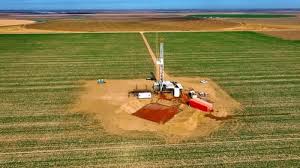
Energy over Agriculture: Significant portions of federal land previously reserved for conservation or grazing have been opened for oil and gas leasing. Notably, the administration mandated at least 36 new oil and gas lease sales in federal waters.
-
Greenhouse Gas Reporting: Requirements for large-scale farms to report methane and other greenhouse gas emissions have been paused or eliminated to “protect the privacy” of agricultural businesses.
2. Health & Food Security: The SNAP Overhaul
Perhaps the most immediate impact on American families has been the sweeping changes to the Supplemental Nutrition Assistance Program (SNAP).
-
Funding Cuts: The “One Big Beautiful Bill” Act implemented the largest reduction in food assistance funding in a generation, focusing on stricter work requirements for “able-bodied adults.”
-
Medicaid Restrictions: Parallel to food cuts, the administration has authorized new Medicaid restrictions, though it created a $50 billion Rural Hospital Fund to provide a safety net for rural providers facing these budget shifts.
-
The “Baby Bonus” Proposal: In a pivot toward pronatalist policy, the administration is currently debating a “baby bonus” for new parents, though critics note this coincides with a 1% drop in the national fertility rate from 2024 to 2025.
3. Climate & Energy: The Great Backtrack
The administration has taken over 480 actions that impact the environment, with a 350% increase in deregulatory pace compared to Trump’s first term.
-
Paris Agreement Withdrawal: On January 27, 2026, the U.S. officially withdrew from the Paris Agreement for the second time. The administration has also cut ties with the UNFCCC and the IPCC.
-
Fossil Fuel Subsidies: While cutting “green industrial policy” by nearly 50%, the government has granted $40 billion in new subsidies and tax credits to the fossil fuel industry through 2035.
-
Methane Delay: Compliance deadlines for oil and gas operators to reduce methane pollution have been pushed back to January 2027, a move that will add the pollution equivalent of 25 million gas cars to the atmosphere.
4. Science & Data: The “Widening Void”
The administration has significantly reduced the collection and public availability of environmental data.
-
NOAA and EPA Cuts: Federal budgets for climate monitoring have been slashed by up to 52%.
-
Travel Bans: Federal scientists were prohibited from attending international climate planning meetings, including the IPCC summit in early 2026.
-
Terminated Data Products: Long-standing tools like the “Billion-Dollar Weather and Climate Disasters” tracker have been retired by the government (though recently revived by the nonprofit Climate Central).