











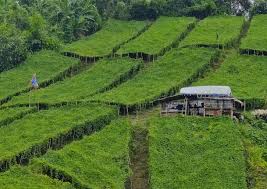
Cultivating Change: Bangladesh’s Hill Tribes Trade Ancestral Jhum for “Machan” Farming
In the Chittagong Hill Tracts (CHT) of southeastern Bangladesh, a foundational shift is occurring in how Indigenous communities interact with the land. As reported by Mongabay on May 6, 2026, farmers from the Chakma, Marma, and Mro communities are increasingly abandoning jhum—a traditional form of shifting cultivation—in favor of the machan method, a modern trellis-based system for growing vegetables.
While the transition offers a lifeline against declining yields and soil exhaustion, it marks a significant departure from a practice that has defined the region’s cultural identity for centuries.
The Collapse of the Jhum Cycle
For generations, jhum involved clearing small forest patches, farming them for a season, and then leaving them fallow for up to 20 years to allow the soil to regenerate.
-
The Land Crisis: Increasing population density in districts like Bandarban has forced the fallow cycle to plummet from 20 years to just two or three years.
-
Exhausted Earth: Without adequate recovery time, the soil has become depleted, leading to failing rice crops and severe erosion during the monsoon season.
-
Shrinking Footprint: Government data shows that land under jhum in Bandarban alone dropped from over 9,000 hectares in 2014 to approximately 8,270 hectares by 2025.
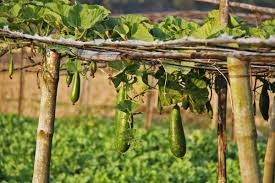
The “Machan” Solution: Bamboo and High Yields
The machan method involves building bamboo trellises that raise vine crops 1.2 to 1.5 meters (4–5 feet) above the ground.
-
Disease Prevention: Raising crops like cucumbers, bitter gourds, and beans prevents waterlogging and protects them from soil-borne pests and fungal infections.
-
Economic Gains: Unlike the seasonal nature of jhum, machan allows for multiple harvests throughout the year. Farmers have reported yields of up to 2,400 kilograms of bitter gourd in a single season—a result described as “impossible” under the old system.
-
Environmental Stability: Machan requires only small holes for bamboo poles rather than large-scale clearing and burning. The leafy canopy created by the vines acts as a natural shield, protecting fragile topsoil from intense tropical rainfall.
The Cultural Cost of Progress
Despite the economic and environmental benefits, the death of jhum is a “bittersweet” transition for Indigenous leaders.
-
Identity at Risk: Jhum is not merely an agricultural technique; it is a spiritual and social framework tied to traditional songs, ancestral rituals, and communal gatherings.
-
Broken Traditions: Prashanta Tripura, country director of the NGO Hunger Project-Bangladesh, warned that while the move to machan is practically necessary, it effectively “breaks” the traditional jhum system that is central to the identity of hill people.
-
A Call for Policy: Advocates are urging policymakers to find ways to protect the “comprehensive farming method” as a cultural heritage, even as modern techniques take over the physical labor of food production.