










Earth’s Smells Are Disappearing: A Silent Cultural Crisis
In a moving report published on April 8, 2026, Smithsonian Magazine explores a largely ignored consequence of climate change: the “olfactory extinction” of our planet. As temperatures rise and biodiversity vanishes, the world is physically losing its characteristic scents—a shift that scientists warn is a devastating blow to human heritage and mental well-being.
1. The Triple Threat to the “Scentscape”
Scientists identify three primary forces that are currently “bleaching” the smells of the Earth:
-
Warming Temperatures: Volatile organic compounds (the molecules we smell) break down or evaporate differently in extreme heat. Plants under heat stress often produce less scent or change their chemical “signature” entirely.
-
Pollution & Ozone: High levels of ozone and particulate matter actually physically “scrub” scent molecules out of the air before they can reach our noses. This makes it harder for bees to find flowers and for humans to connect with nature.
-
Biodiversity Loss: As specific plants like Sandalwood, Vanilla, and Frankincense face extinction due to habitat fragmentation, the smells they produce are becoming “extinct” alongside them.
2. A Loss of Human Heritage
The article emphasizes that smell is the sense most closely linked to memory and emotion. Losing these smells means losing “intangible human history.”
-
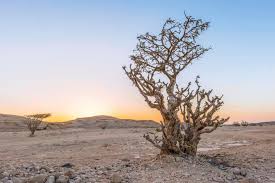
Frankincense: The spicy resin of the Boswellia tree has been used in religious ceremonies for 3,000 years. Climate change is currently killing these trees, threatening to silence a scent that has defined spiritual life across cultures since ancient times.
-
Indigenous Knowledge: In the Amazon, Indigenous communities report that industrial pollution is changing the smell of the river. In their belief systems, these odors aren’t just pleasantries; they are linked to the presence of spiritual entities. When the smell disappears, they believe the spirits leave too.
-
Urban Inequity: Cognitive neuroscientist Rachel Herz notes that air pollution in low-income urban areas is physically damaging people’s olfactory systems, creating a divide where “clean, natural smells” become a luxury available only to the wealthy.
3. The “Blinded by Vision” Problem
The most alarming part of the report is how little we seem to care.
-
The Phone Over the Nose: A recent 2022 study found that over 25% of college students would rather lose their sense of smell than their smartphone.
-
Olfactory Blindness: Because we are a visual-centric society, we are “blind” to the fact that our environment is becoming more sterile and putrid. This disconnection from the “invisible world” contributes to the modern rise in anxiety and depression, as natural scents are proven to lower cortisol levels.
Endangered Scents of 2026
| Scent Source | Primary Threat | Cultural Significance |
| Frankincense | Overharvesting & Heat | Religious ceremonies, 3000+ years of history. |
| Sandalwood | Forest Fragmentation | Traditional medicine and meditation. |
| Lavender | Drought/Heat Stress | Essential for calming and sleep-aid traditions. |
| Vanilla | Tropical Storms/Instability | The “universal” scent of comfort and food. |